Gut Instinct: How Your Microbiome Shapes Your Mind, Mood, and lifestyle
Why healing your gut is the key to mental clarity, emotional balance, and designing a life that actually supports you—from the inside out.
We often think of wellness as something we can approach from the outside in—redesigning a space, starting a workout routine, organizing our pantry. But one of the most powerful environments that determines how we feel, think, and show up in the world isn’t a room in your house—it’s your gut.
At the heart of your gut lies the microbiota, a vast ecosystem of trillions of bacteria, fungi, and microbes that live symbiotically inside your digestive tract. This microbial community doesn't just influence digestion—it shapes your immune system, hormonal balance, energy levels, and even the quality of your thoughts. In fact, science now shows that the gut and the brain are deeply intertwined, connected by what’s called the gut-brain axis.
Your gut literally talks to your brain. And the state of your internal environment reflects—and is reflected by—your external one.
The Microbiota: Your Internal Ecosystem
The microbiota is like the soil of your body. A healthy, diverse microbiome supports everything from:
Mental clarity and mood stability
Immune defense and inflammation regulation
Hormonal health and metabolism
Detoxification and nutrient absorption
When the balance of beneficial bacteria is disrupted—by poor diet, chronic stress, toxic exposure, or antibiotics—your whole system suffers. Brain fog, anxiety, bloating, fatigue, food intolerances, and skin issues are all common symptoms of a microbiome in distress.
Gut & Space: Why Environment Is Everything
Your gut is a mirror of your environment. If your home is filled with visual clutter, emotional baggage, or stress-triggering chaos, your nervous system stays dysregulated. That stress affects how your body digests food, regulates inflammation, and even chooses what to crave.
Likewise, if your internal landscape is overwhelmed by inflammatory foods, overconsumption, or lack of rest, your mind will feel scattered and reactive—no matter how beautifully styled your home is.
Holistic change requires alignment. Clearing your home and healing your gut go hand-in-hand because both environments shape your patterns, your energy, and your ability to focus on what truly matters.
Support Your Gut with Simplicity & Intention
The key to healing your microbiome isn’t another extreme diet. It’s sustainable habit-building and intentional nourishment. Think of your gut like a garden: it thrives with the right soil, nutrients, and rhythm.
Slow is Powerful: Why Less is More
Our modern tendency is to overload our systems—with supplements, diets, and to-do lists. But your gut doesn't heal through overwhelm. It heals through rhythm, rest, and reduction. Sometimes the most powerful thing you can do is give your gut a break.
Stop grazing all day – allow 4–5 hours between meals to rest and digest.
Simplify meals – fewer ingredients = easier digestion.
Chew more slowly – digestion starts in the mouth.
Introduce one new food at a time – give your gut time to adapt.
Think of this like decluttering your diet. Give your body space. Build your foundation first before you layer on complexity.
A Daily Practice: Habit Shapes Health
You don’t need a massive diet overhaul. You need consistent, incremental shifts. Here’s a grounding practice:
Start your day with warm lemon water to support liver function and digestion.
Choose one anti-inflammatory swap per day—build that habit.
Spend 2 minutes before meals breathing deeply to reset your nervous system.
Write down how your body feels at the end of the day. Celebrate small wins.
Healing your gut is healing your foundation. And from that foundation, real change becomes sustainable—because it’s no longer a fight. It’s a flow.
Final Thought: Everything Is Connected
Your gut health, your mental clarity, and the flow of your home are not separate systems. They are interconnected environments that either support or sabotage your growth.
To make holistic, lasting change, we must look at what’s beneath the surface—what’s driving our patterns, cravings, habits, and beliefs. When you begin to shift your internal environment with the same care and intention you give to your physical space, everything starts to realign.
You become clearer. Calmer. More capable of imagining a better life—and actually living it.
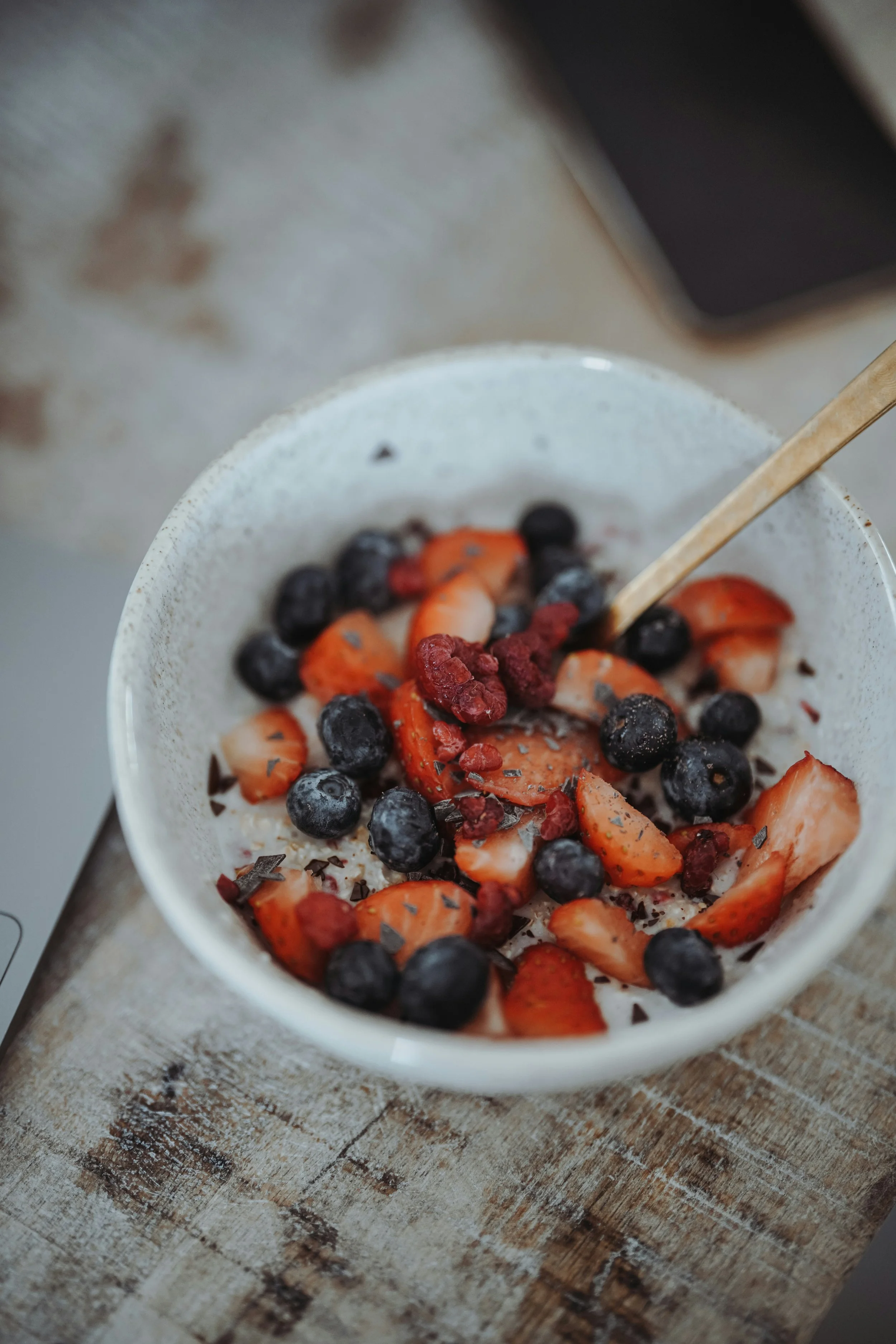
Why It’s Alkaline: Coconut and chia are alkaline-supportive and help with hydration and digestion. Berries are rich in antioxidants without spiking blood sugar.
Coconut Chia Pudding with Berries
Ingredients:
1 cup full-fat coconut milk
3 tbsp chia seeds
½ tsp vanilla extract (alcohol-free)
1 tsp maple syrup or raw honey
½ cup fresh blueberries or raspberries
Optional: sprinkle of hemp seeds or shredded coconut
Instructions:
Mix coconut milk, chia seeds, vanilla, and sweetener in a jar or bowl.
Stir well and let sit for 10 minutes. Stir again to prevent clumping.
Refrigerate for 4+ hours or overnight.
Top with berries and optional seeds before serving.
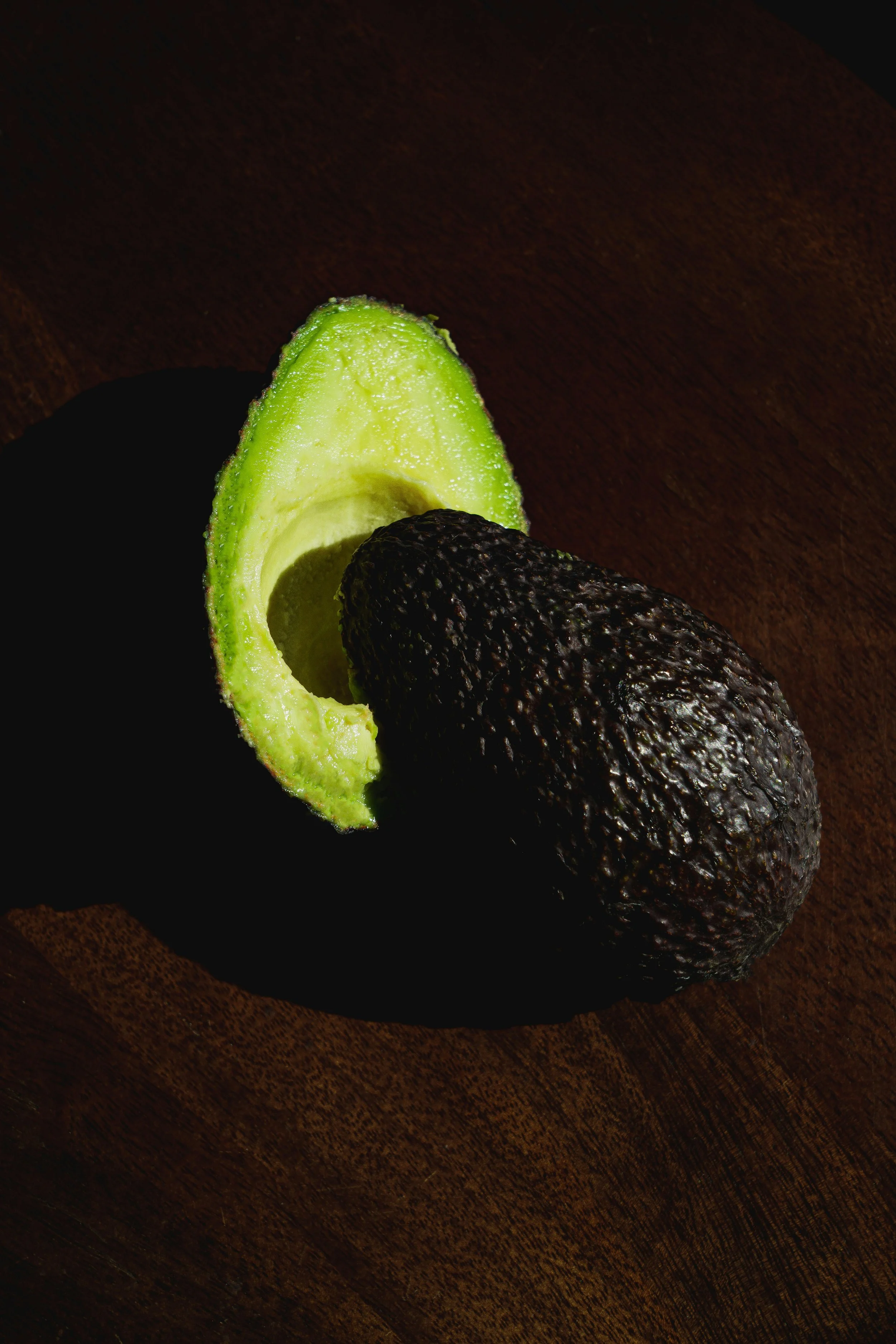
Why It’s Alkaline: Quinoa, broccoli, lemon, and tahini are all known to help restore pH balance, while avocado offers healthy fats for hormone support and satiety.
Try by itself or adding your choice of protein.
Lemon-Tahini Quinoa Bowl
Ingredients:
1 cup cooked quinoa (sprouted, if possible)
1 cup steamed broccoli
½ avocado, sliced
2 tbsp tahini
Juice of ½ lemon
Pinch of sea salt
Optional: fresh parsley or arugula for garnish
Instructions:
In a bowl, layer quinoa, broccoli, and avocado.
In a small bowl, whisk tahini, lemon juice, and sea salt with a splash of warm water until creamy.
Drizzle dressing over the bowl and top with parsley or arugula.
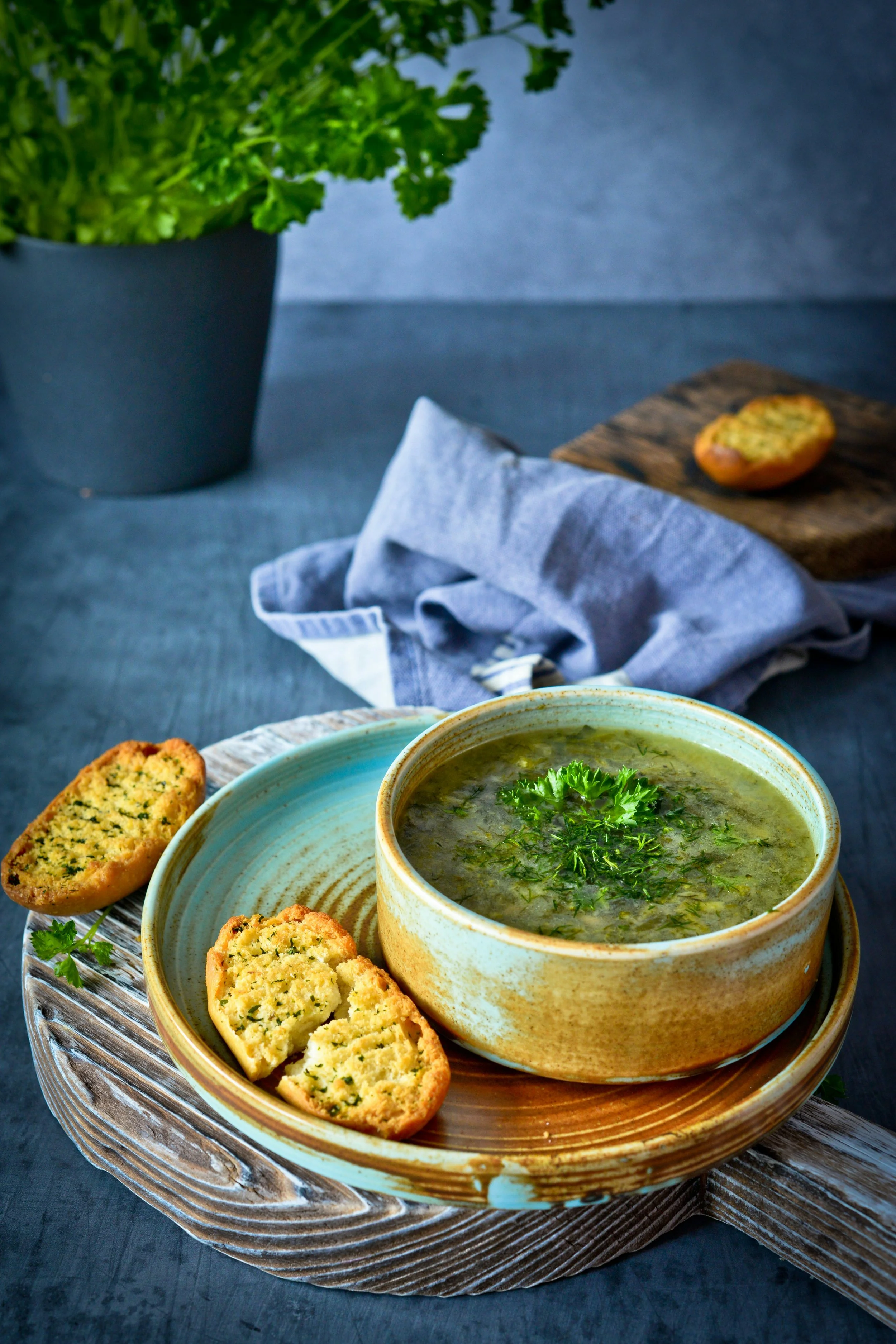
Why It’s Alkaline + Healing:
The lemon stimulates digestion and liver function, the greens add minerals and fiber, and the rice makes it grounding and easy on the gut — perfect for nervous system support and gentle detox.
Optional- replace the vegetable broth with bone broth to add more healthy fat and rebuild your gut lining. Also try supplementing with already cooked shredded chicken meat or shrimp to make a more filling and protein dense meal.
Lemon rice Healing Soup
Ingredients:
¾ cup cooked white basmati or jasmine rice
4 cups vegetable broth or bone broth (homemade or low-sodium, clean-ingredient store-bought)
Juice of 1 lemon (or more to taste)
2 tbsp olive oil
1 clove garlic (optional, if tolerated), minced
1½ cups chopped kale or spinach
Sea salt to taste
Optional: fresh dill or parsley for garnish
Optional: add shredded chicken or shrimp
Instructions:
In a pot, heat olive oil over low-medium heat. Add garlic (if using) and sauté briefly.
Pour in broth and bring to a gentle simmer.
Add cooked rice and greens. Simmer for 5–7 minutes until greens are soft.
Turn off heat. Stir in lemon juice and salt. Taste and adjust lemon or salt as needed.
Garnish with fresh herbs and a drizzle of olive oil before serving.